2026 Best Sliding Robe Doors for Your Home Design Needs?
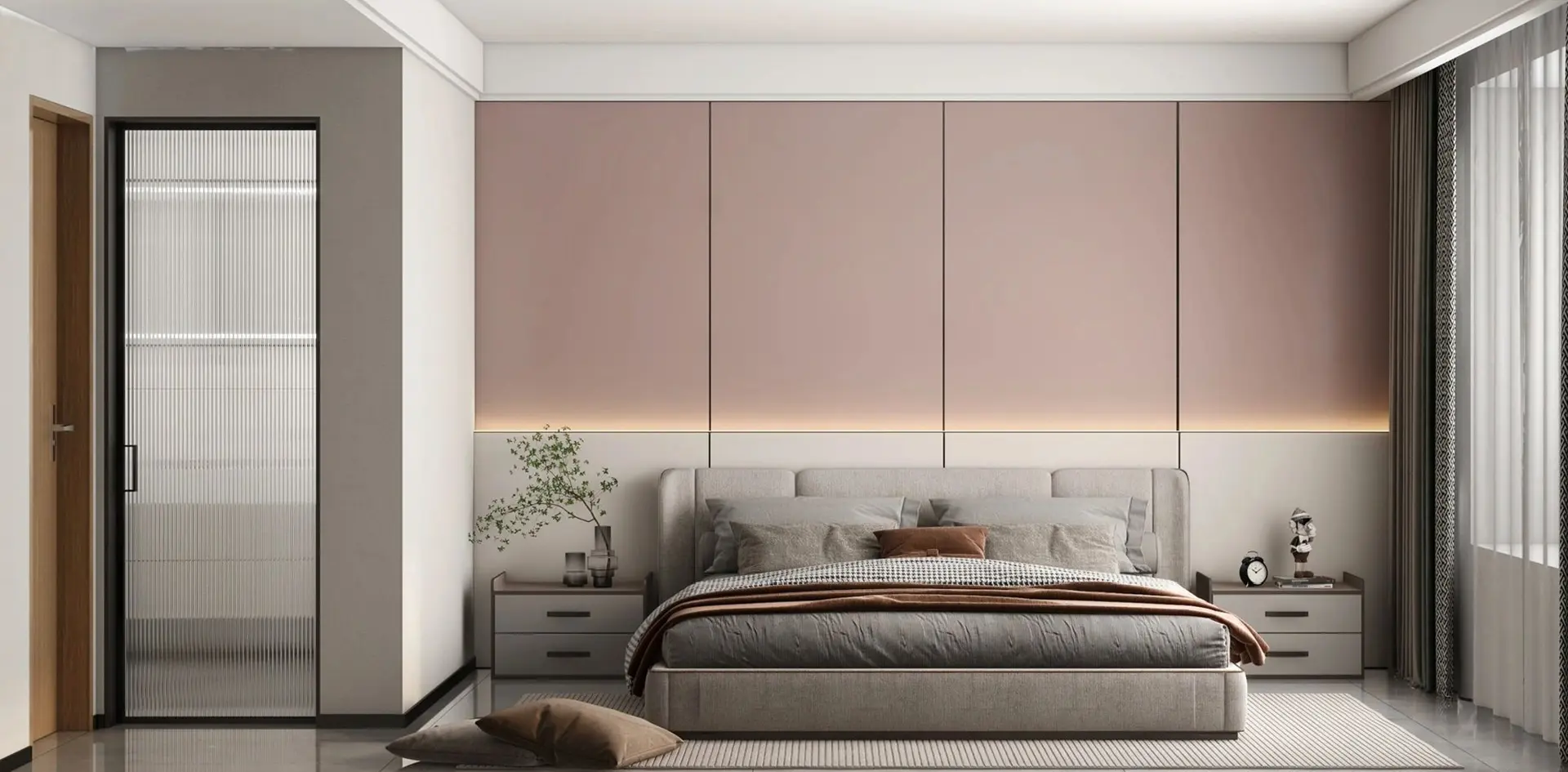
When designing your home, the choice of accessories can greatly influence the overall aesthetic. One often overlooked element is the sliding robe doors. They blend functionality with style, transforming spaces while offering practical solutions. In 2026, these doors have evolved, providing a range of options to fit various design needs.
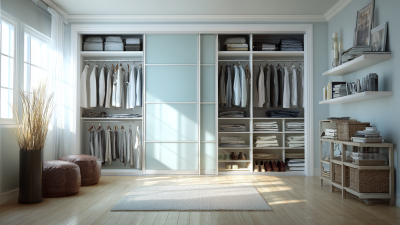
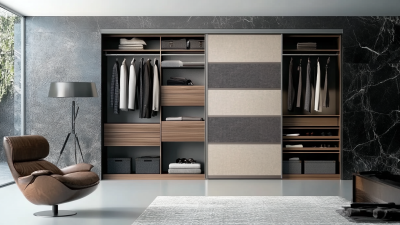
Opting for sliding robe doors not only saves space but also enhances accessibility. This contemporary choice is perfect for smaller rooms, where traditional doors may fall short. Furthermore, the market offers a plethora of materials, finishes, and sizes. From sleek glass to rustic wood, each option tells a unique story.
However, it is essential to reflect on your personal taste and home layout. What works for one room may not suit another. While sliding robe doors are trendy, consider your lifestyle. Do they align with your daily routine? Therefore, take time to explore the possibilities. Choose wisely, and your decision will echo in your home's design for years to come.
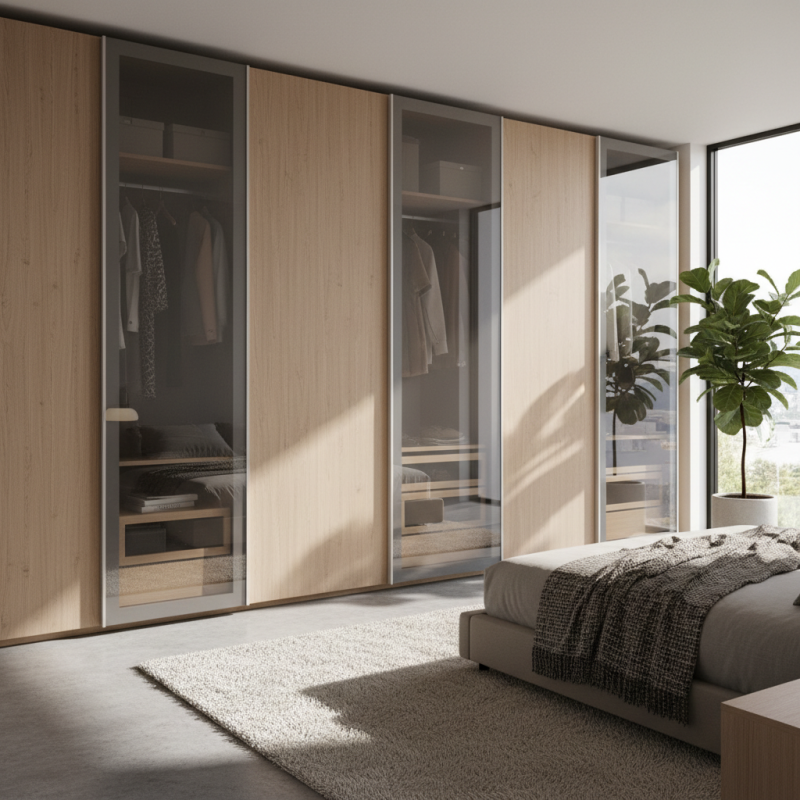
The Importance of Sliding Robe Doors in Modern Home Design
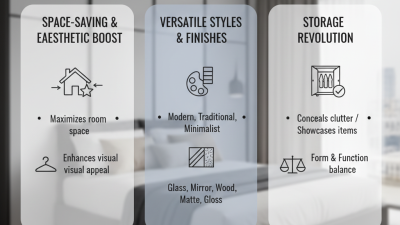
Sliding robe doors are often overlooked in modern home design. However, they play a crucial role in creating functional and stylish spaces. These doors maximize room usage, especially in smaller areas where space is limited. They allow for easy access to wardrobes without the need for swinging doors that require additional clearance. This is particularly beneficial in tight corners or narrow hallways.
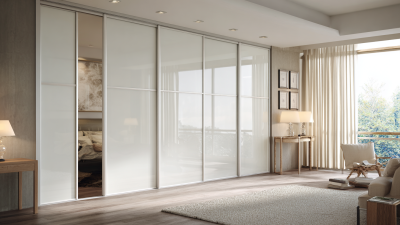
The aesthetic appeal of sliding robe doors also cannot be underestimated. They can enhance the look of a bedroom or hallway significantly. With various materials and finishes available, these doors can seamlessly blend into the overall design scheme. Glass panels can add an element of lightness, while mirrored surfaces can visually expand a room, creating an illusion of more space. However, maintaining these surfaces can sometimes pose a challenge. They require regular cleaning to keep that fresh look.
Despite their advantages, there are potential drawbacks to consider. The tracks can accumulate dust and dirt, impacting functionality. In some cases, doors may become misaligned, making sliding difficult. It’s essential to invest in quality hardware and to check for proper installation. Regular maintenance should also be a part of your routine. Sliding robe doors can elevate your home design, but they demand attention to remain practical and appealing.
Key Materials Used in High-Quality Sliding Robe Doors
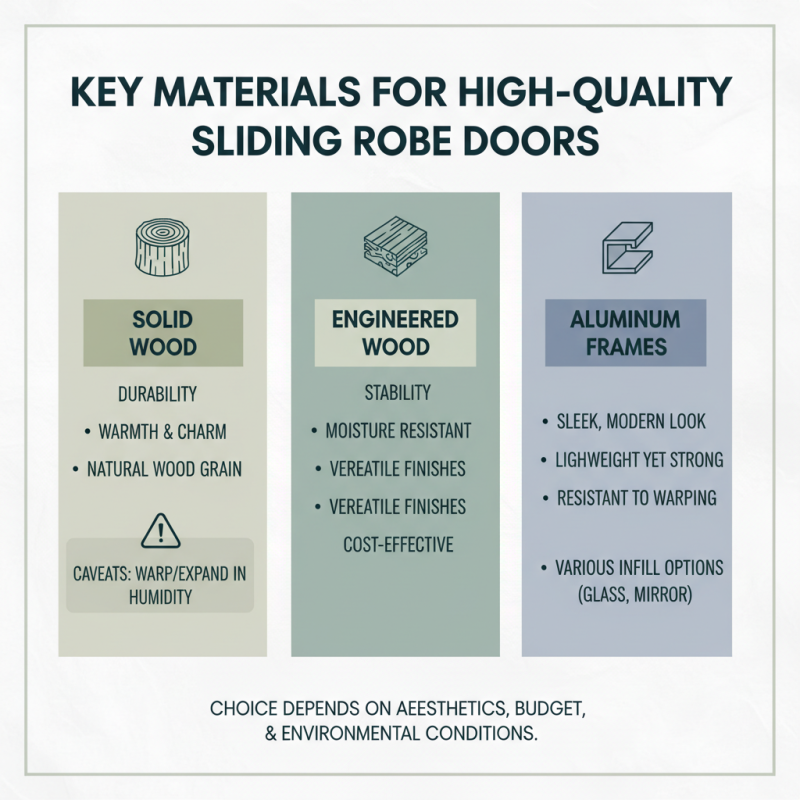
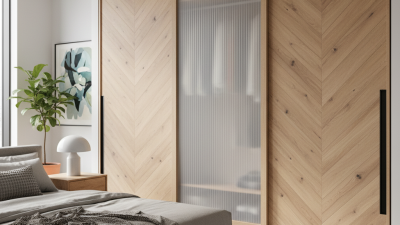
When selecting sliding robe doors, the choice of materials significantly affects the overall quality. High-quality doors often feature durable materials like solid wood, which adds warmth and charm. Wood grain patterns can enhance a room's aesthetics. However, wood may warp or expand in humid conditions, which needs careful consideration.
Another popular option is engineered wood. It offers a balance of strength and lightness. This material resists warping better than solid wood. It also presents various finishes, allowing for customization. Nevertheless, engineered wood can lack the distinctive character of natural wood, which is a point for reflection.
Glass is also frequently used for sliding robe doors. Its sleek appearance can visually enlarge spaces. Frosted options provide privacy while still allowing light to filter through. However, glass can be fragile and requires careful handling. It’s essential to weigh the pros and cons of each material when making your choice. Ultimately, the best choice will depend on your unique style and practical needs.
Top Features to Consider When Choosing Sliding Robe Doors
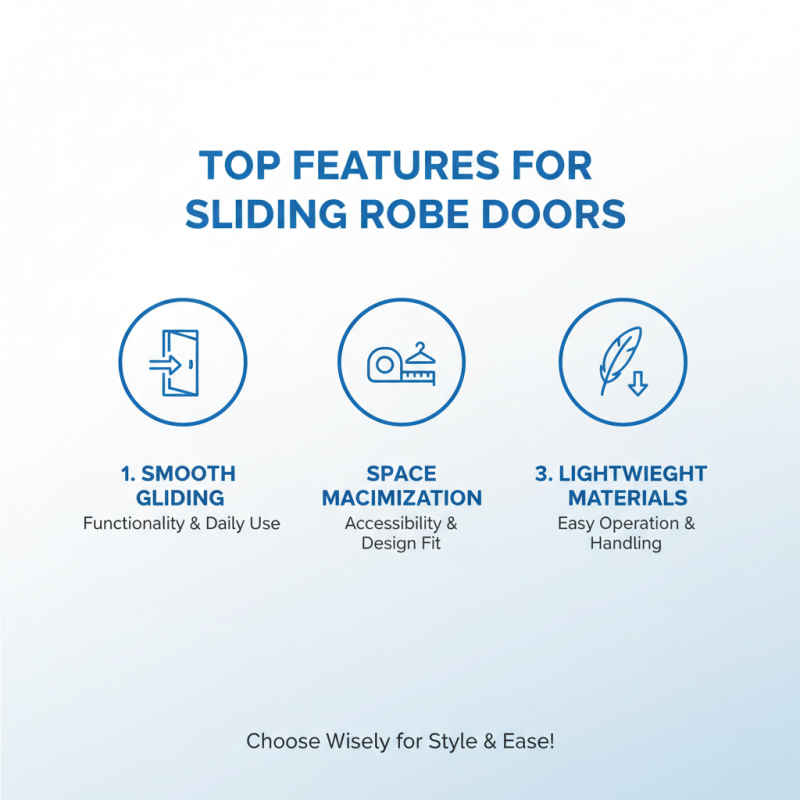
When selecting sliding robe doors, consider functionality and space. You want doors that maximize accessibility while fitting your design. Look for options that glide smoothly; this is essential for daily use. The weight of the doors matters too. Lighter materials often allow for easier operation.
Another key feature is the material choice. Wood, mirror, and glass offer different aesthetics and durability. Wooden doors provide warmth, while mirrors can make spaces seem larger. Glass doors, on the other hand, can create a modern look but may require regular cleaning. Assess your maintenance preferences; not all materials will suit everyone.
Don't overlook the hardware. High-quality tracks and rollers can enhance lifespan. Think about your home's style when selecting finishes. You want the doors to complement your overall design. Be aware that not all features may be practical for your space. Reflect on what fits best and allows for everyday ease of use.
Market Trends: The Evolution of Sliding Robe Door Designs in 2026
The evolution of sliding robe door designs in 2026 demonstrates a blend of functionality and style. According to a recent industry report, nearly 65% of homeowners prefer sliding doors for their versatility. The minimalist aesthetic remains prominent, with natural materials like wood and eco-friendly options leading the market. These doors not only save space but also enhance the overall ambiance.
In this year's trend, colors have shifted towards muted tones. Shades of beige, soft grays, and earthy greens are gaining popularity. Homeowners lean towards designs that can adapt to various interior styles, from contemporary to rustic. The use of mirrored finishes is on the rise, reflecting light and creating an illusion of larger spaces.
Tip: When selecting sliding robe doors, consider your room's natural light. A lighter shade can brighten smaller spaces. Another important detail to reflect on is the door hardware. Well-chosen handles can greatly impact functionality and style.
However, not all designs are foolproof. Some sliding doors may be problematic with misalignment or wear over time. Regular maintenance is essential to ensure smooth operation. As the market evolves, it presents opportunities for innovation, but homeowners should remain vigilant about quality and craftsmanship.
2026 Best Sliding Robe Doors Market Trends
Comparative Analysis of Leading Brands in Sliding Robe Doors
When choosing sliding robe doors, several factors come into play. The style should match your home design. Materials vary greatly—wood, glass, and metal are popular choices. Each material brings its own vibe. Wood can create warmth, while glass offers a modern touch.
Another important aspect is functionality. Some doors glide smoothly, while others might stick. Testing the doors in person helps identify potential issues. The ease of installation can also differ. Some require professional help, which adds to the overall cost.
Durability is a key concern. Look for doors that withstand daily use. However, not all brands guarantee longevity. Research customer reviews before making decisions. A door could look appealing but may not perform well. That's a critical point to ponder. Balancing aesthetics and functionality is essential. Measuring your space accurately is crucial as well. Each home's layout and light conditions can influence your final choice.
2026 Best Sliding Robe Doors for Your Home Design Needs
| Feature |
Option 1 |
Option 2 |
Option 3 |
| Material |
MDF |
Solid Wood |
Glass & Metal |
| Height (inches) |
80 |
78 |
84 |
| Width (inches) |
60 |
54 |
72 |
| Price ($) |
300 |
450 |
600 |
| Style |
Modern |
Classic |
Contemporary |
| Warranty (years) |
5 |
10 |
7 |