Top House Door Types for Every Home Style?
Choosing the right house door is crucial for any homeowner. Different styles significantly enhance the overall aesthetic and functionality of a home. According to a report by the Door and Window Manufacturers Association, 70% of homeowners consider their front door a key element for curb appeal. When selecting a house door, it is important to balance design with security and energy efficiency.
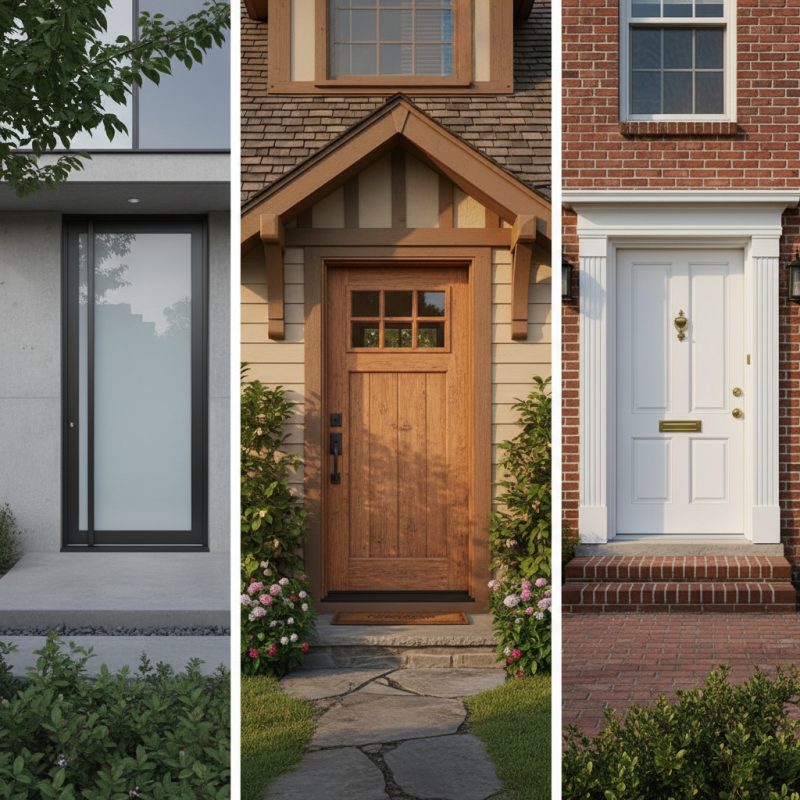
Renowned architect Mark Davis states, "The entrance sets the tone for the entire home." Whether it's a rustic wooden door for a country house or a sleek glass door for modern design, choices abound. Yet, many overlook the importance of materials and quality. Investing in a durable house door can improve safety and longevity. On the other hand, neglecting these factors might lead to costly replacements or decreased energy efficiency.
Choosing a house door can sometimes feel overwhelming. Homeowners often struggle to find the perfect match for their style. Understanding trends and available options can simplify the process. Think about your home's character and the impression you wish to convey. Every detail counts, from color to hardware. Making an informed decision can greatly enhance your home’s appeal and functionality.
Top Materials for House Doors: Durability and Aesthetics
Choosing the right materials for house doors is crucial for both durability and aesthetics. According to the National Association of Home Builders, entry doors account for about 15% of a home's exterior. Popular choices include wood, fiberglass, and steel. Each material offers unique benefits and drawbacks.
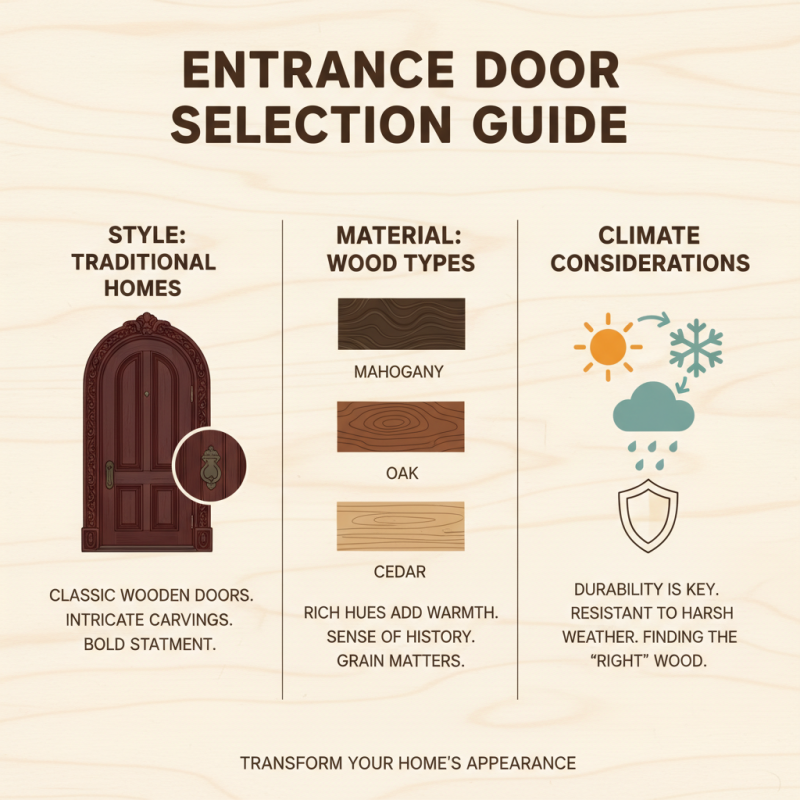
Wood doors offer warmth and beauty. They can be customized easily. However, they typically require more maintenance. High humidity or extreme temperatures can warp wood.
A fiberglass option can mimic wood but is better at resisting weather effects. Research indicates that fiberglass doors can last up to 50 years with proper care.
Steel doors provide excellent security and energy efficiency. They are less prone to damage from the elements. However, they can be dented and may rust if the finish is compromised. A report by the American Society of Home Inspectors notes that 60% of homeowners prefer insulated doors for energy savings.
This statistic emphasizes the need for careful selection to achieve both aesthetic appeal and long-lasting durability.
Comparing Traditional vs. Modern Door Styles in Residential Design
When it comes to residential design, door styles can define a home’s character. Traditional doors often feature intricate designs, like raised panels and decorative moldings. These details evoke a sense of history and elegance. Many homeowners appreciate the craftsmanship of classic wooden doors. However, they require regular maintenance to preserve their beauty.
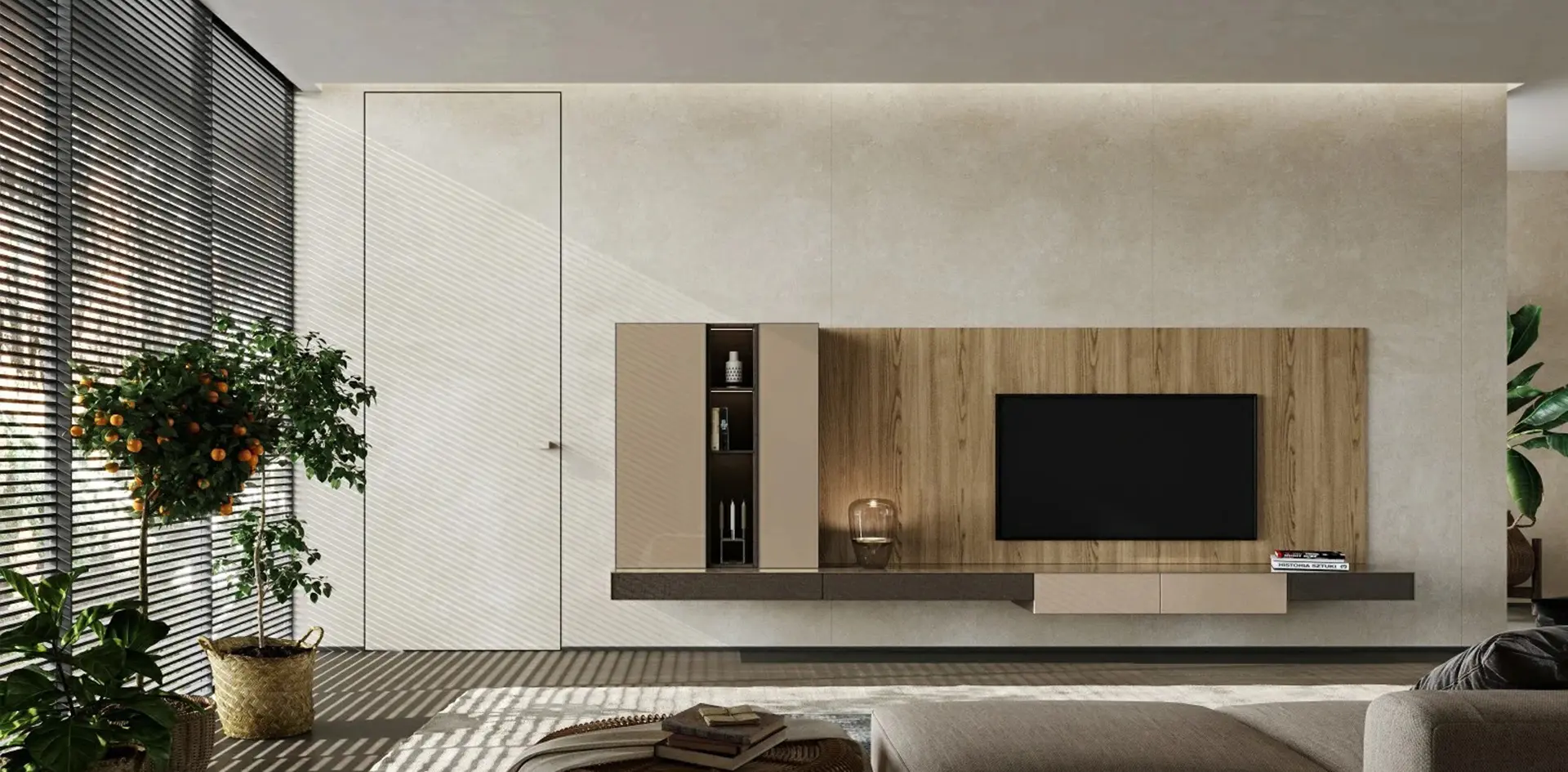
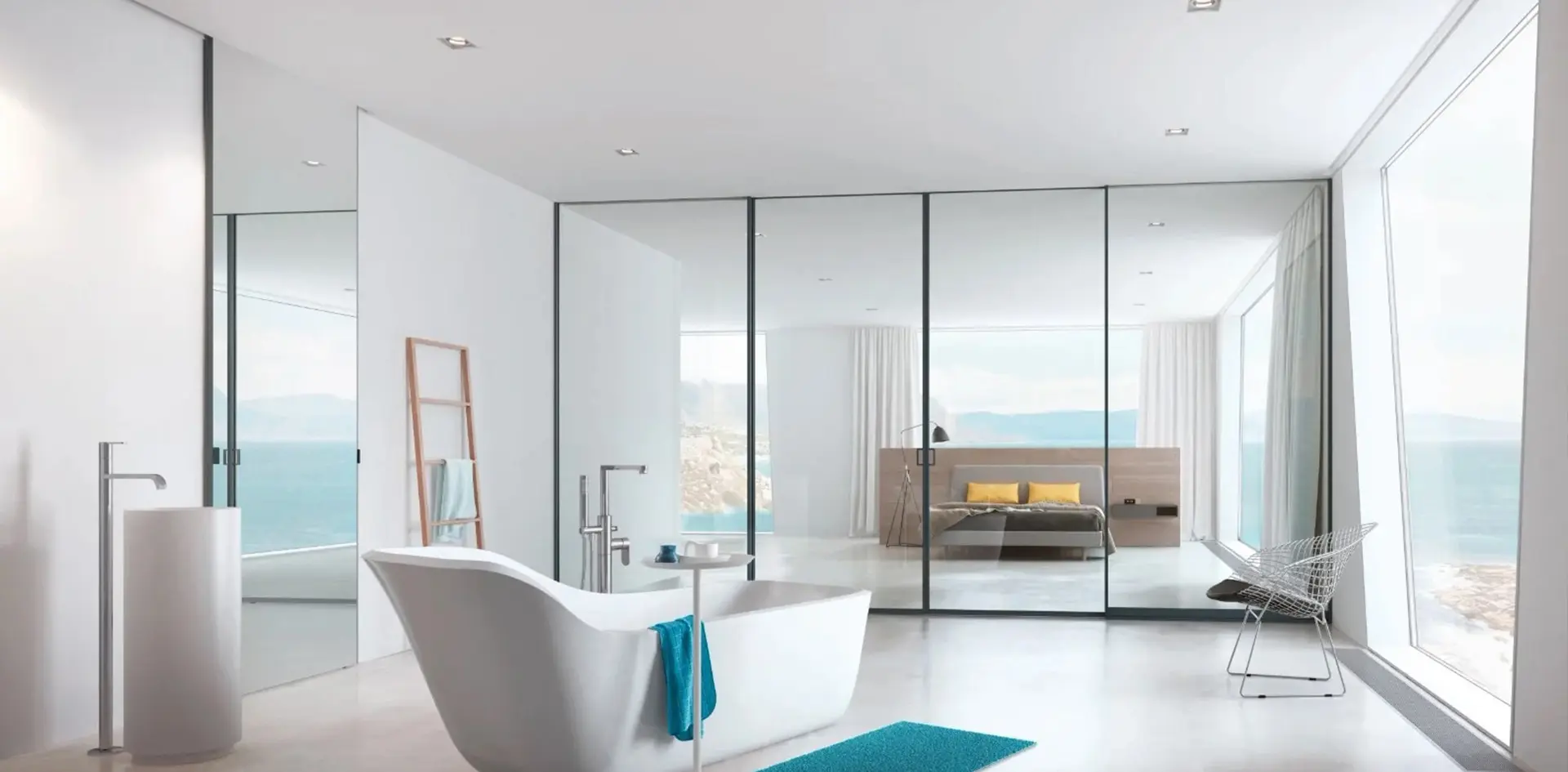
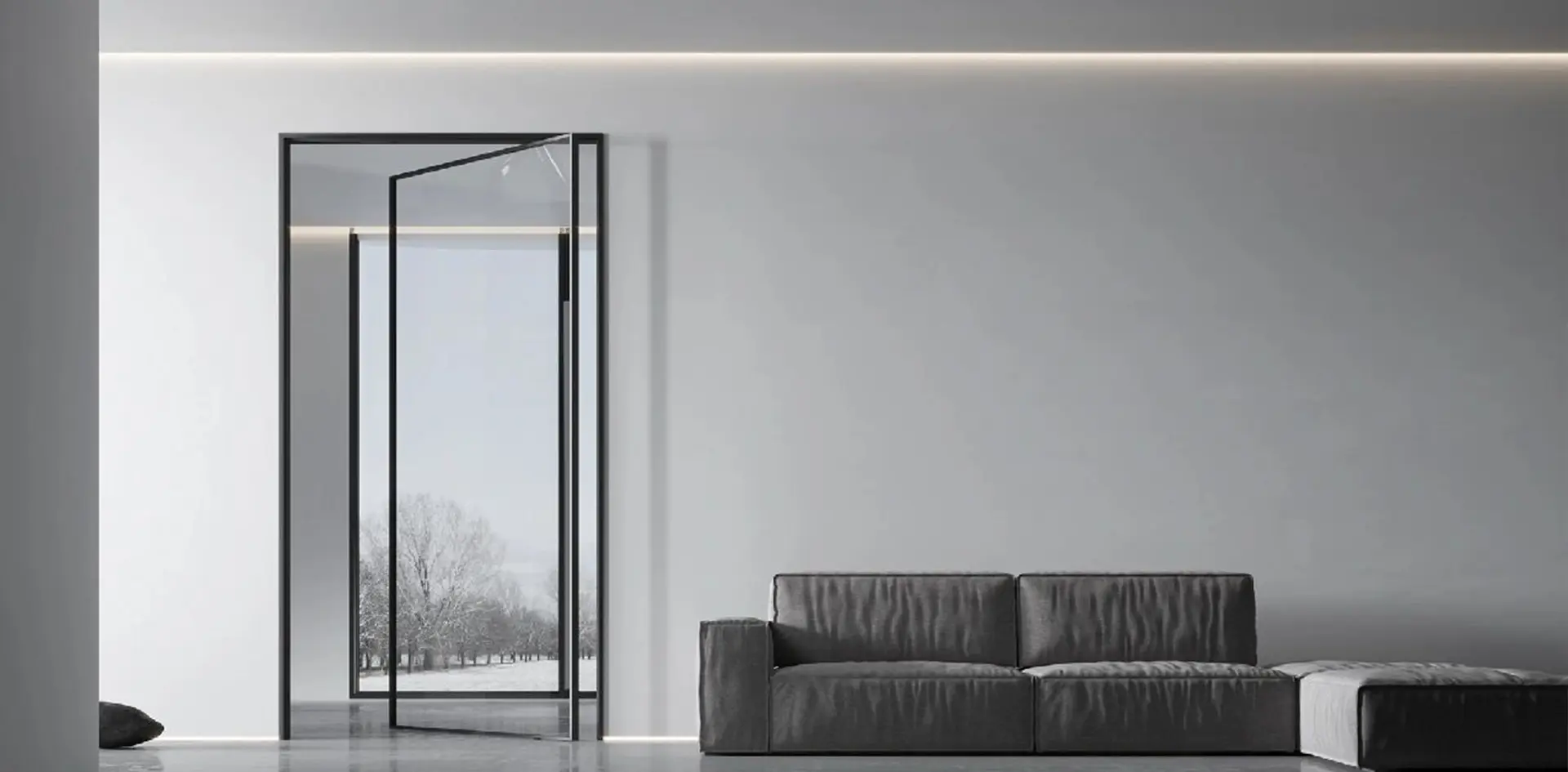
On the other hand, modern door styles offer clean lines and minimalist aesthetics. These doors often utilize materials like glass and metal for a sleek appearance. They can enhance natural light and create an open feel in the home. Yet, some may find modern designs too stark. Balancing functionality and style is an ongoing challenge for many.
Selecting the right door means considering your home’s overall style. Traditional and modern options each have their unique charm. Reflecting on personal preferences is crucial. How do you want your entryway to feel? It’s more than just a door; it’s a statement. Finding the perfect match can be a rewarding journey, despite potential uncertainties.
Top House Door Types for Every Home Style
| Door Type |
Style |
Material |
Key Features |
Best for |
| Panel Door |
Traditional |
Wood |
Classic design with multiple panels |
Historic homes, Colonial style |
| French Door |
Traditional |
Wood or Glass |
Double doors with glass panels |
Patios, gardens |
| Sliding Door |
Modern |
Glass |
Large glass panels slide open |
Contemporary homes, balconies |
| Bi-Fold Door |
Modern |
Wood or Aluminum |
Doors fold back to open |
Open-plan living areas |
| Dutch Door |
Traditional |
Wood |
Divided into upper and lower halves |
Farmhouses, cottages |
Energy Efficiency Ratings of Different Door Types: What to Know
When choosing a door, energy efficiency is crucial. Different materials impact insulation and heat retention. Fiberglass doors excel in this aspect. They have a high R-value, which helps keep your home warm. In contrast, wooden doors can be beautiful but often fall short in energy efficiency. They may warp over time, leading to drafts.
Metal doors offer durability. However, they can conduct heat or cold. Look for models with added insulation to boost performance. Glass doors provide a sleek look. They bring natural light and can enhance your space. Yet, without proper insulation, they may lead to higher energy bills.
Consider local climate when selecting. Areas with extreme temperatures need stronger insulation. Always check energy ratings. Research shows doors can account for significant energy loss in homes. Even small gaps can affect overall efficiency. This is an important reflection when making a choice. A door is an investment in comfort and energy savings.
Impact of Security Features on Home Door Selection and Home Value
When selecting a door for your home, security features play a significant role. A study from the Home Security Research Institute found that homes with robust door systems experience 45% fewer break-ins. Solid wood and fiberglass doors generally offer better security. These materials provide increased durability against forced entry. Metal doors also present strong options and can boost overall home safety.
Potential homebuyers often prioritize security. According to a recent survey by the National Association of Realtors, 70% of buyers are willing to pay more for homes with enhanced security features. Strong doors improve your home’s value. Homes with quality doors report a 15% increase in market value. However, not all door types offer the same protection. Glass doors, while aesthetically pleasing, can be more vulnerable. Choosing the right door not only protects your family but also enhances the overall appeal of your property.
Investing in a quality door means balancing style and security. Some homeowners overlook the importance of locking mechanisms. A decorative door without effective locks provides little security. Regularly updating your door and locks is vital. Outdated features can put your home at risk. Security should remain a top priority in your selection process. Consider the long-term benefits of a secure entryway.
Impact of Security Features on Home Door Selection and Home Value
This chart illustrates the correlation between different house door types and their associated security features, highlighting their impact on home value. The data represents various door types commonly chosen by homeowners, showcasing the average security feature ratings and home value contributions.