Why Is a Flush Door the Best Choice for Modern Home Design
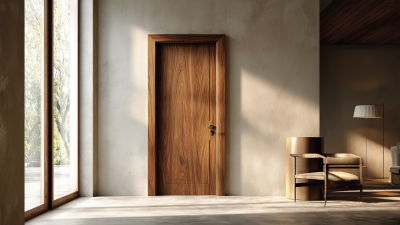
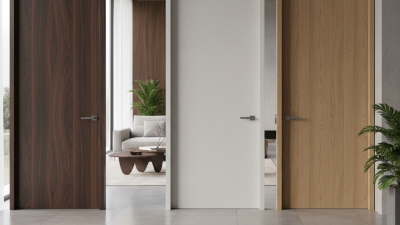
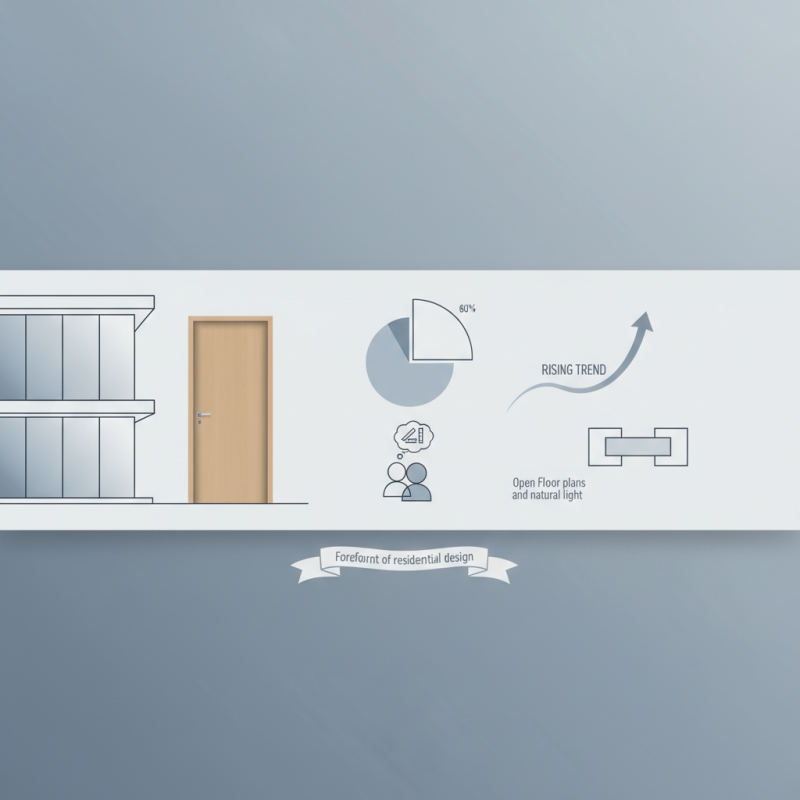
In the realm of modern home design, the choice of doors plays a pivotal role in establishing both aesthetic value and functional efficiency. Among the various options available, the "Door Flush Door" emerges as a favorite among architects and designers alike. According to a recent report by the Architectural Design Institute, flush doors account for approximately 60% of the total door market share in contemporary residential projects. This trend highlights the growing preference for minimalistic designs that facilitate seamless integration with interior decor while enhancing the spatial perception of homes.
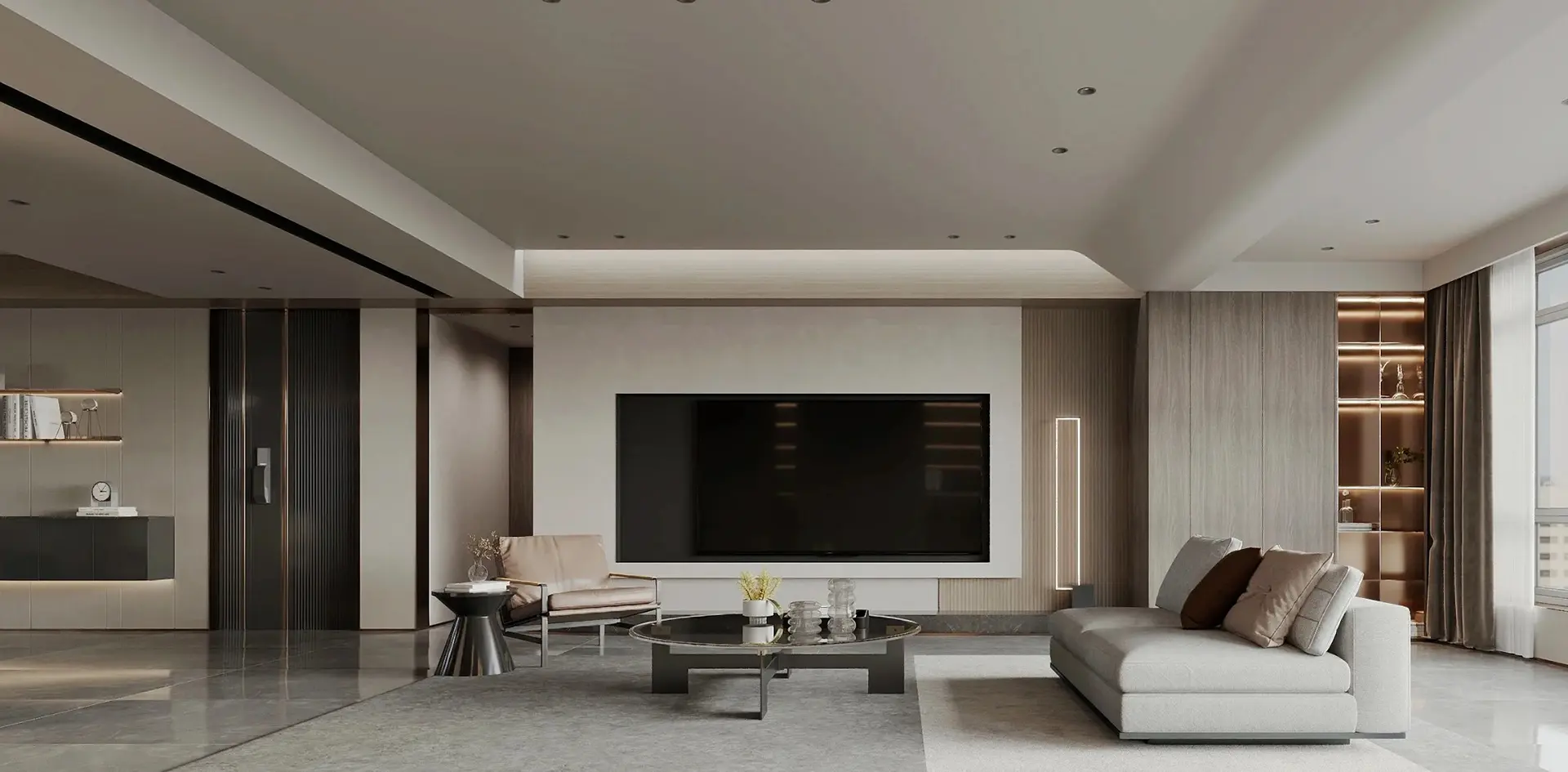
Renowned architect and door design specialist, Dr. Emily Carter, emphasizes the significance of this choice in her recent publication, stating, “The Door Flush Door not only serves a practical purpose but also contributes to a harmonious living environment, reflecting the modern ethos of simplicity and elegance.” In this context, the flush door’s sleek lines and smooth surfaces align perfectly with the clean, uncluttered design philosophies that characterize today’s living spaces. As homeowners increasingly prioritize open floor plans and natural light, the demand for such doors continues to rise, positioning the Door Flush Door at the forefront of modern residential design.
Benefits of Flush Doors in Modern Home Interiors
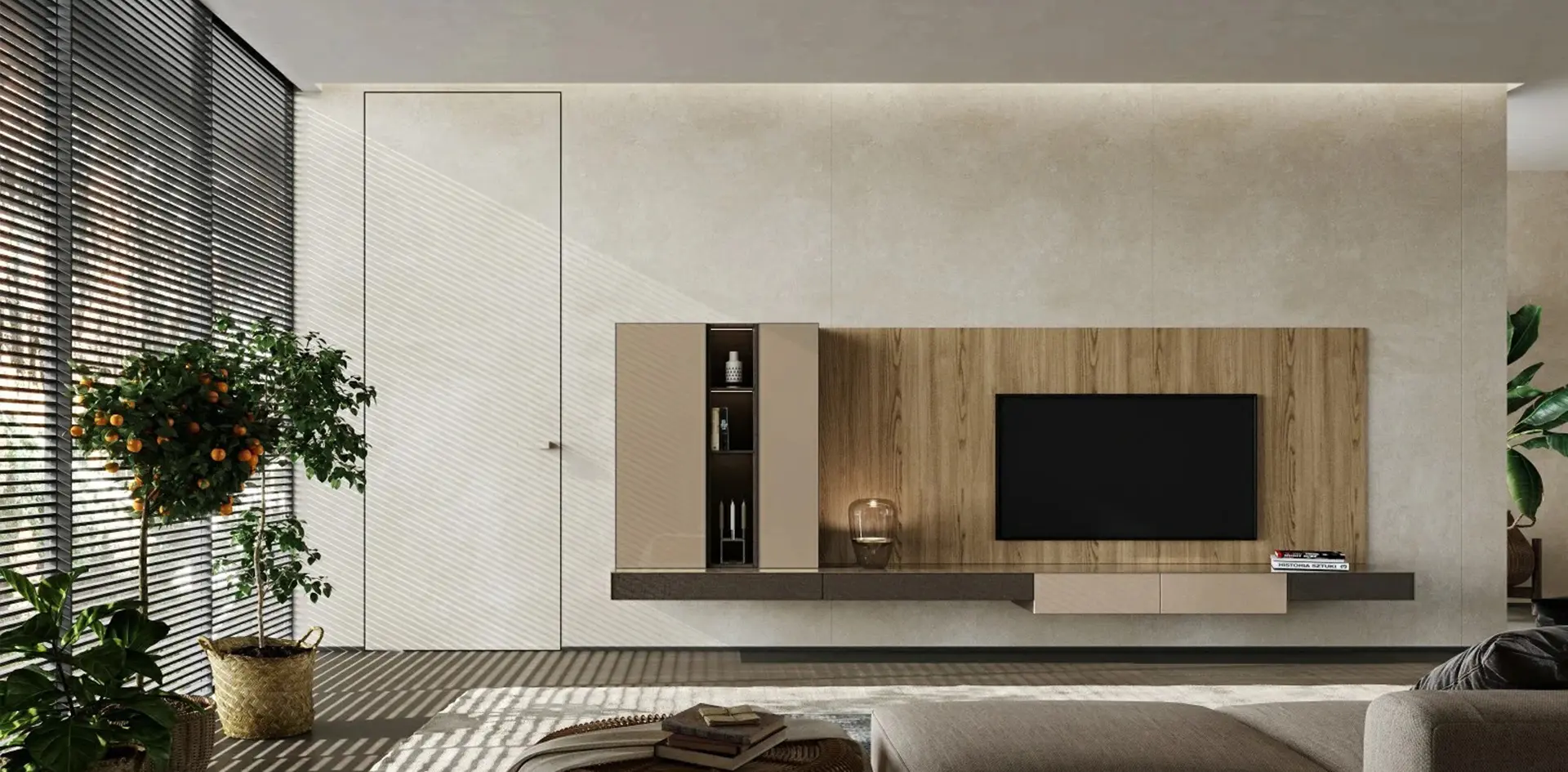
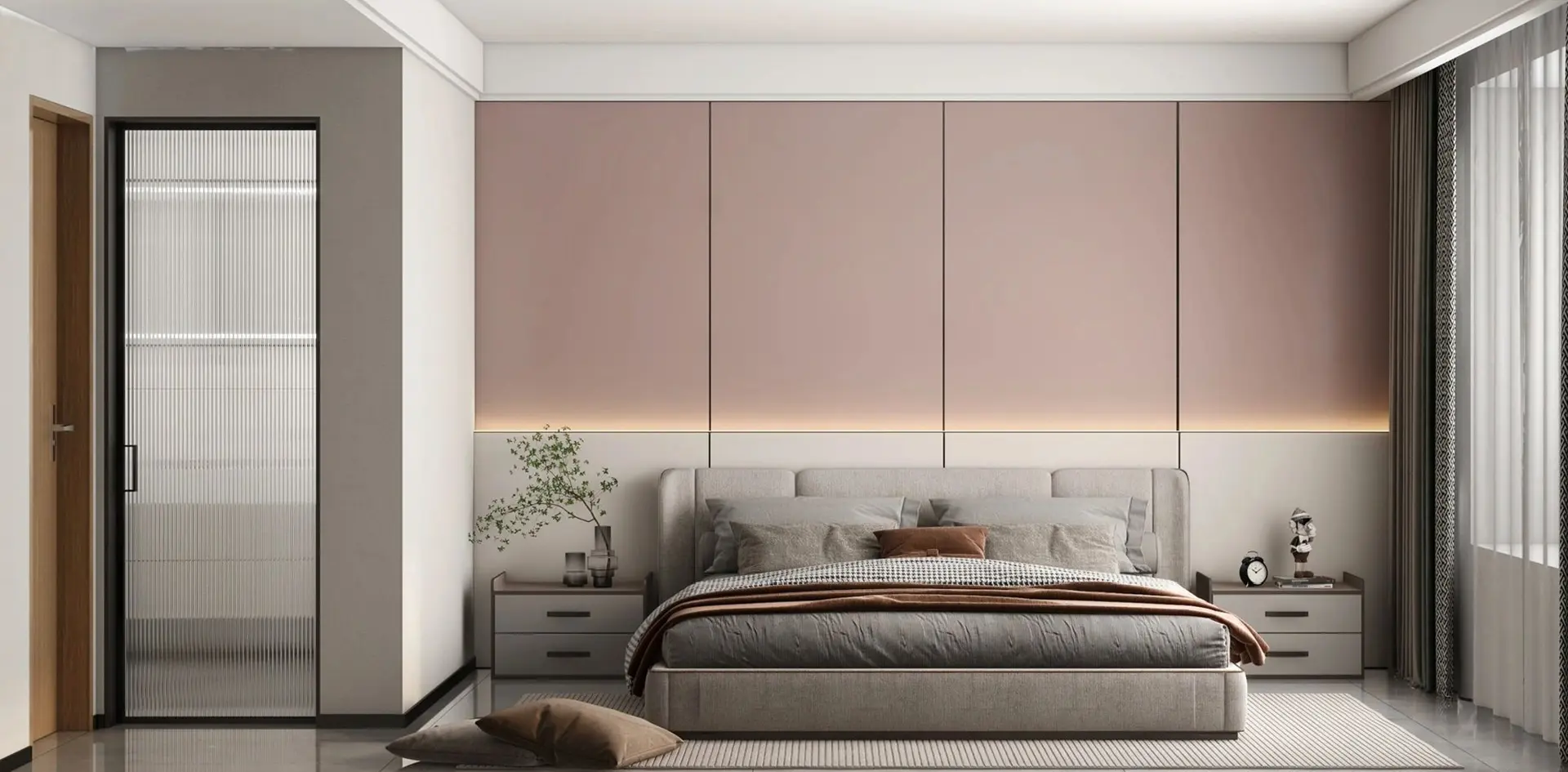
Flush doors have surged in popularity within modern home interiors, and for good reason. Their sleek, minimalist design complements contemporary aesthetics, creating a seamless and cohesive look throughout the home. Unlike traditional paneled doors, flush doors offer an uninterrupted surface that enriches the clean lines typical in modern design. This simplicity not only enhances the visual space but also allows for easy integration of colors and materials, making them versatile for various interior styles.
One significant benefit of flush doors is their ability to enhance the perception of space. Because they sit flush with the wall surface, they create an illusion of larger rooms, making them ideal for smaller living areas. Additionally, flush doors are often constructed with solid core materials, providing excellent sound insulation and privacy, essential for creating tranquil spaces within busy households.
**Tips:** When choosing flush doors, consider the finish that best matches your decor—whether matte, gloss, or textured. Pairing doors with customized hardware can also elevate their appearance and functionality. Finally, ensure to select energy-efficient options to enhance your home's overall insulation and sustainability.
Benefits of Flush Doors in Modern Home Interiors
Aesthetic Appeal: Streamlined Designs for Contemporary Spaces
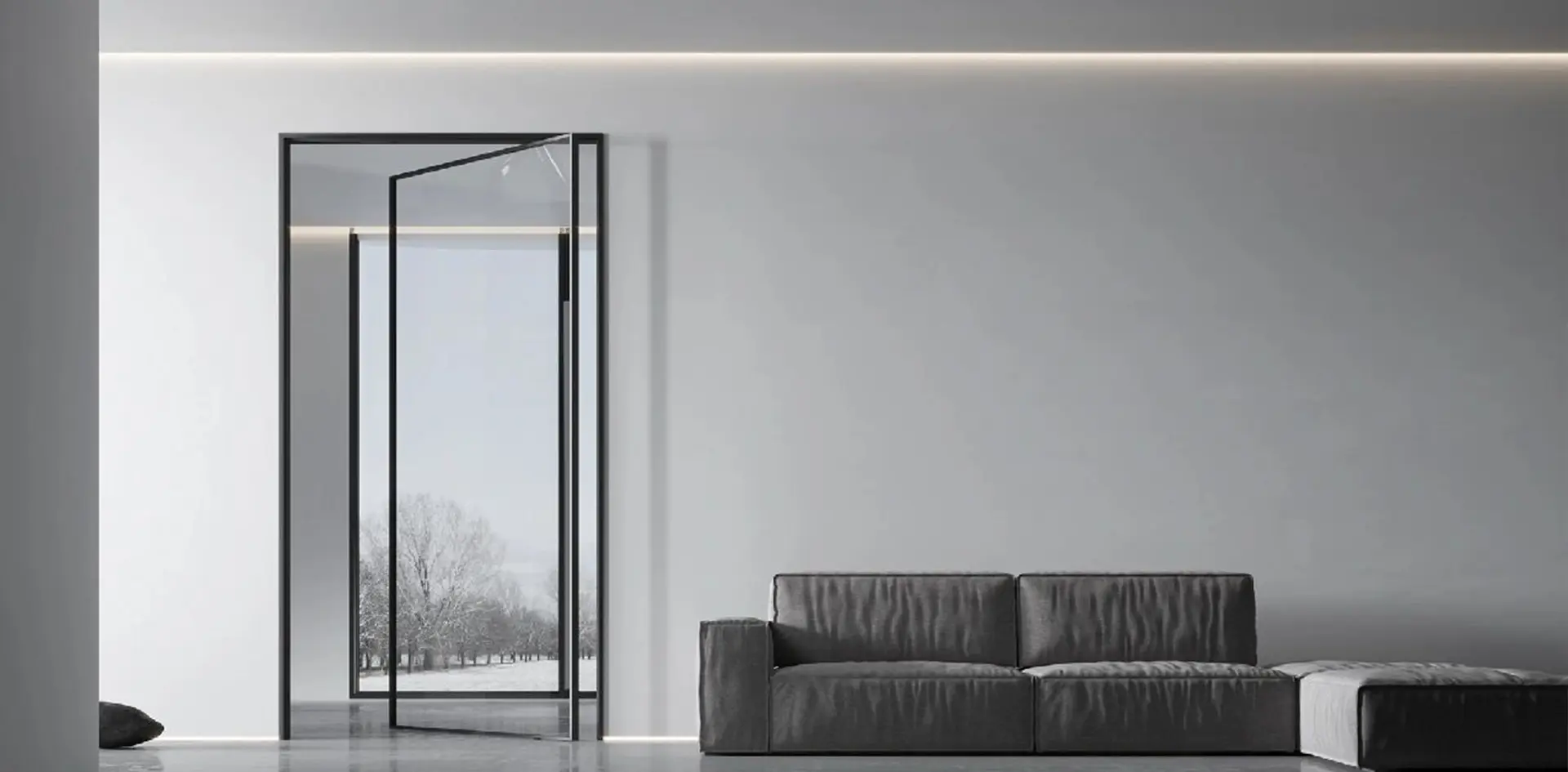
Flush doors embody the essence of modern aesthetic appeal, presenting a clean and streamlined look that harmonizes seamlessly with contemporary design principles. Their flat surfaces and minimalist frames eliminate unnecessary embellishments, making them an ideal choice for spaces that prioritize simplicity and elegance. This unadorned style allows flush doors to blend effortlessly with various interior schemes, from open-concept layouts to sophisticated urban environments, enhancing the overall ambiance of a home.
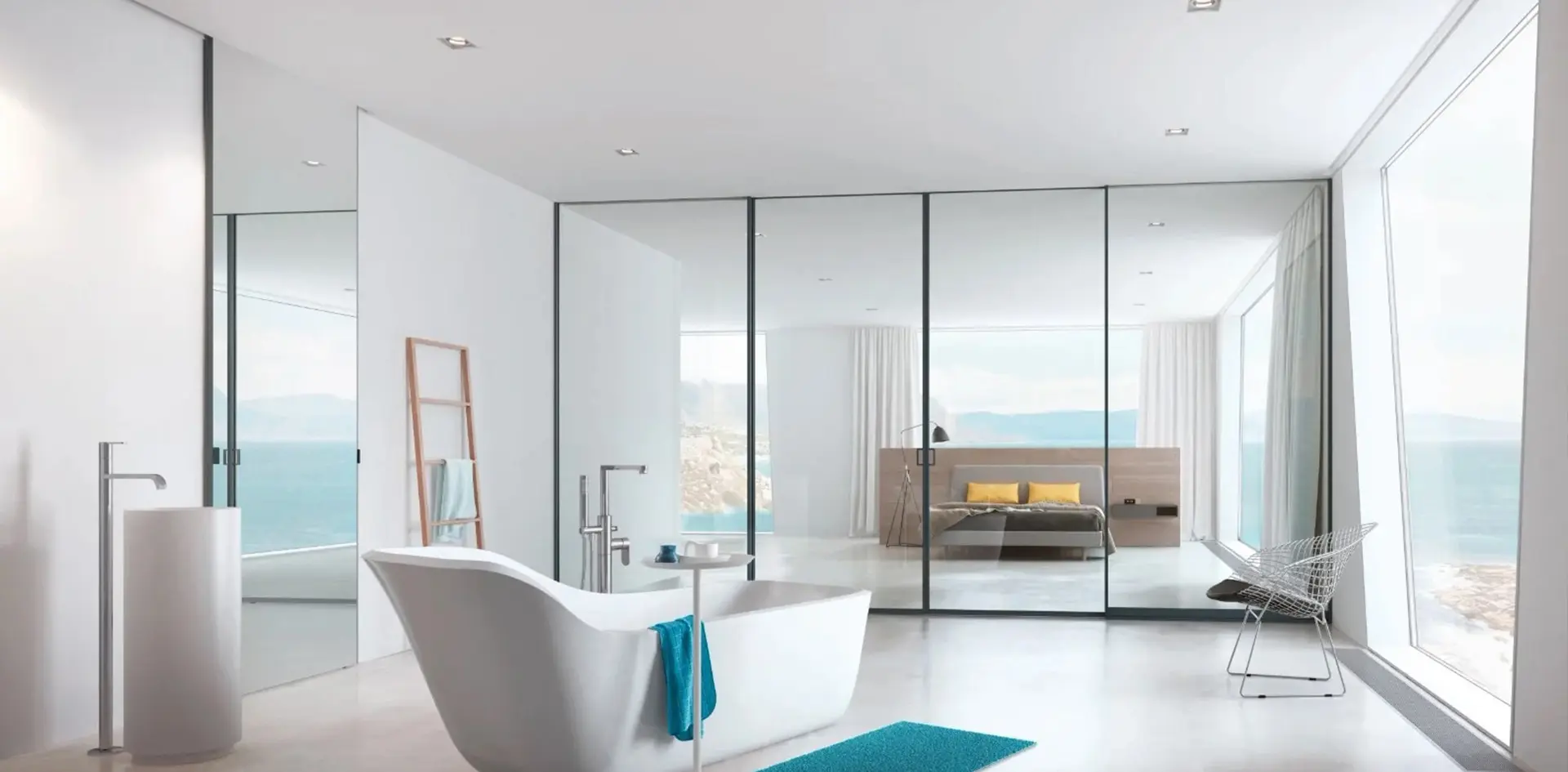
Moreover, the versatility of flush doors contributes significantly to their popularity in modern home design. Available in various materials and finishes, they can be customized to suit different tastes while maintaining a cohesive look throughout the space. Whether painted in bold colors or crafted from natural wood, flush doors provide homeowners with the flexibility to express their personal style without compromising on functionality. Their sleek profiles not only enhance visual continuity but also allow for effective use of space, making them an excellent choice for minimizing visual clutter and promoting a sense of openness in contemporary interiors.
Material Choices: Durability and Sustainability in Flush Doors
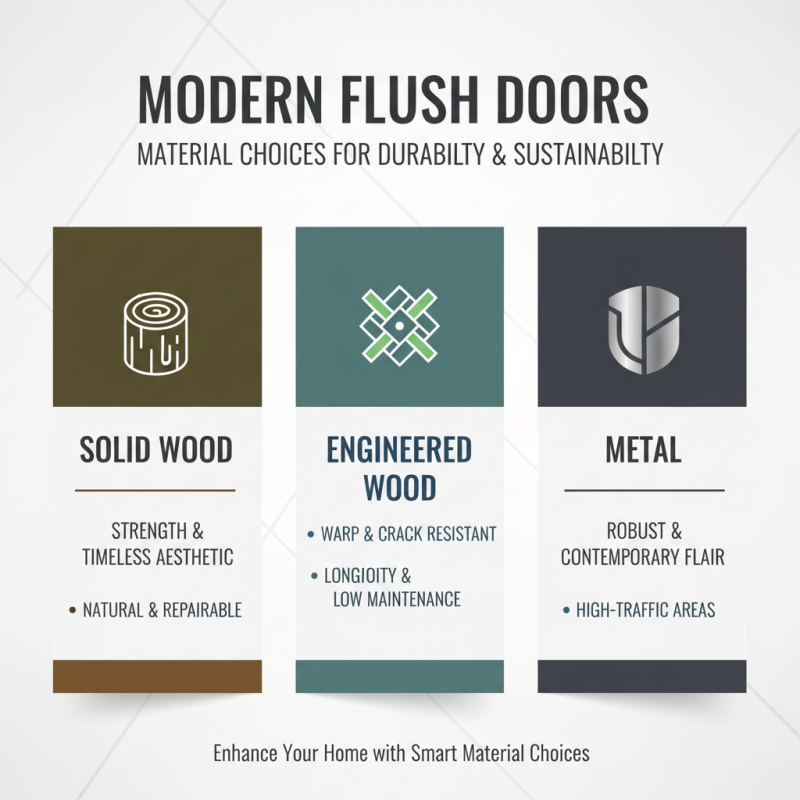
When it comes to choosing materials for flush doors in modern home design, durability and sustainability are paramount. Flush doors are often crafted from high-quality materials such as solid wood, engineered wood, or metal, each offering distinct advantages. Solid wood provides not only strength but also a timeless aesthetic that can enhance any interior space. Engineered wood, on the other hand, is designed to resist warping and cracking, ensuring longevity and minimal maintenance. Metal flush doors add a contemporary flair while being extremely robust, making them suitable for high-traffic areas.
Sustainability is increasingly becoming a significant factor in the selection of door materials. Many flush doors can now be sourced from responsibly managed forests or made from recycled materials, aligning with eco-friendly practices. The production processes for these materials are also evolving, with manufacturers implementing energy-efficient methods that reduce their carbon footprint. Homeowners can feel confident that their choice of flush doors not only contributes to a stylish, modern aesthetic but also supports sustainable living by minimizing environmental impact. This alignment of durability with ecological mindfulness makes flush doors a smart and responsible choice for the modern home.
Cost Efficiency: Price Comparisons and Long-Term Savings
When considering modern home design, cost efficiency plays a pivotal role in selecting the right materials and features. Flush doors stand out as a financially savvy option, offering not only reasonable upfront costs but also significant long-term savings. Their simple design and smooth surfaces mean they require less paint and fewer repairs than more ornate options. This minimalist approach not only suits contemporary aesthetics but also keeps maintenance costs low.
Additionally, flush doors are typically made from durable materials, which contributes to their longevity. Unlike traditional wood doors that may warp or split over time, flush doors maintain their integrity, reducing the frequency of replacements. This durability translates into savings on both material and labor costs over the years. Furthermore, their energy efficiency can lead to reduced heating and cooling expenses, making them an even more attractive choice for the financially conscious homeowner. Investing in flush doors not only enhances the home’s modern appeal but also provides a sound economic decision in the long run.
Installation and Maintenance: Simplifying Home Improvement Projects
When it comes to modern home design, the installation and maintenance of flush doors can significantly simplify home improvement projects. According to a recent industry report from the American Institute of Architects, 67% of architects and designers believe that streamlined, minimalist designs are essential for contemporary interiors. Flush doors fit this aesthetic perfectly, as their smooth surfaces can either be painted or finished to blend seamlessly with the surrounding walls. This design feature not only enhances the overall look of a space but also makes installation straightforward.
Typically, flush doors weigh less than conventional doors, allowing for easier handling and a quicker installation process, reducing labor costs by up to 30% according to a study by the National Association of Home Builders.
In terms of maintenance, flush doors are incredibly user-friendly. Their simple surface requires minimal upkeep; a quick wipe with a damp cloth suffices to keep them looking pristine. Additionally, many flush doors are manufactured using materials resistant to wear and tear, which can extend their lifespan by as much as 50% compared to traditional panel doors. The same report indicated that homeowners prefer low-maintenance options, with 75% expressing a desire for design choices that reduce the frequency and intensity of upkeep. This not only makes flush doors an aesthetically pleasing choice but also an economically sensible one, contributing to the appeal of both new constructions and renovations in modern home designs.